
How Does The Clutch Work?
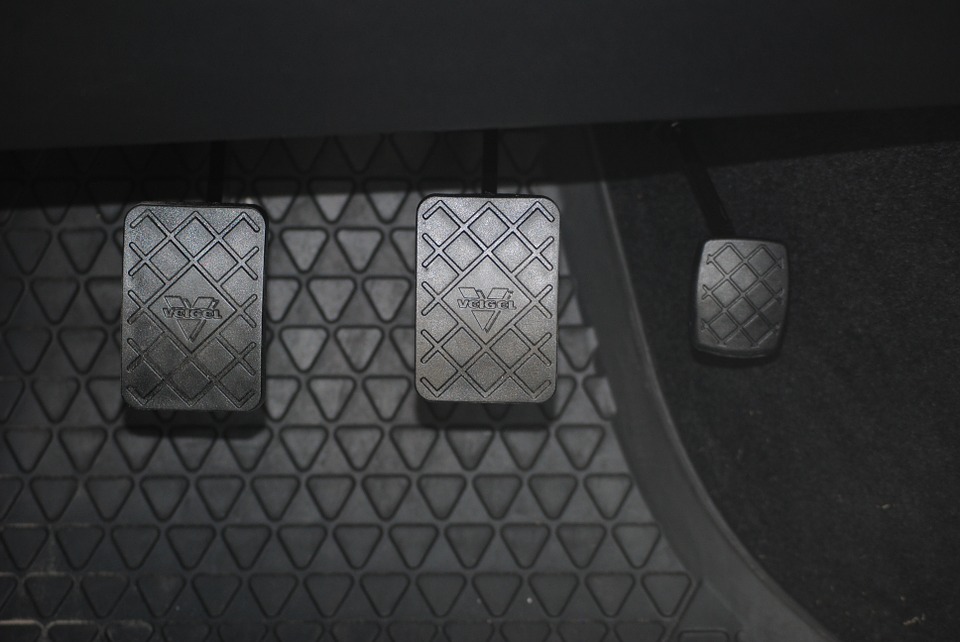
When you press down your vehicle’s clutch pedal, the energy produced by your engine is transferred through either a hydraulic or mechanical system to release the fork of the clutch, which disengages it from your transmission. In normal conditions, a driver should be able to press the clutch pedal, change gears and then release the clutch pedal. This action reconnects the transmission to the engine, allowing power transfer.
How Does The Clutch Work Part II
During this process, the most important components of the system, and usually the ones that are most affected are the clutch plate, flywheel, throw-out bearing, and the pressure plate. Your vehicle’s flywheel connects directly to your engine, and the clutch disc connects to the flywheel. At the center of the clutch disc is a hub that fits into the transmission shaft. When the power is connected (while not pressing the clutch), the energy produced is transferred from your vehicle’s engine through the clutch and flywheel to the transmission. When the clutch pedal is depressed, power transfers through the connecting linkage to the throw-out bearing. When the throw-out bearing is moving down, it activates the spring found in the pressure plate than then forces it to release the clutch disc.

Symptoms Of A Bad Or Failing Clutch
Like any other mechanical component in your vehicle, your clutch is prone to wear and tear. You’re your clutch is failing, it will throw off a number of signs including; the clutch pedal is too hard or too easy to push, or your vehicle takes too much time to get into gear.
Engine Races But The Car Moves Slowly
When your vehicle starts slowly but your engine races in high gear, it’s known as clutch slippage. Slippage is common especially when your clutch disc wears out. It means the friction material is worn out thin and there isn’t enough surface left to grip on the pressure plate and flywheel, which makes it extremely hard for the engine to transfer the power to your transmission.
Difficulty Engaging Reverse Gear
Another common symptom of a faulty clutch is difficulty getting into reverse or out of third gear. Gears getting stuck is a clear indication of a fault with your manual transmission’s slave and master cylinder or both. Ideally, you will notice a change in the way your clutch pedal feels, either loose or spongy or not as catchy as before.
Grinding Noises When Shifting Gears
This problem is commonly known as a dragging clutch. It normally happens when the clutch disc remains engaged, forcing the transmission input shaft to keep spinning even when the clutch pedal is fully depressed. Since your transmission’s input shaft is still spinning, trying to shift into gear will cause them to grind or clash.
Sticky Clutch Pedal
Your vehicle’s clutch works through a hydraulic linkage, and when this system fails, it normally results in a sticky clutch, often getting stuck as the floor or increasingly becomes difficult to press. In some cases, adjusting the linkage will solve this issue; however, if it is leaking hydraulic fluid, it will lose pressure and the linkage system will need replacing. It might also be advisable to replace the clutch to resolve this issue fully.
How can AAMCO Boise Help?
You must pay close attention to the troubling signs that your vehicle gives you regardless of what system it originates. In case you suspect that your vehicle needs a clutch repair service our specialized Boise mechanics will be happy to help.
At AAMCO Boise we offer complete clutch repair and maintenance services at our state-of-the-art facility. We also deal in transmission repair, brake repairs, check engine light checks, engine tune-up service, oil changes, belts and hoses, battery maintenance and service, regular car maintenance, exhaust systems, and many more. To make an appointment, contact us or visit our Boise transmission experts today! Your vehicle’s health is our obligation!
Keeping Your Transmission Healthy – Top Tips
If you are like most car owners, taking good care of your vehicle is a priority. Once in a while, you will have your tires rotated, change your oil and oil filter every 3,000 to 5,000 miles. Caring for the transmission isn’t something most vehicle owners give a lot of...
read more
Driving Less Often? How to Maintain Your Car
If you’re suddenly driving much less frequently than usual, you may wonder what auto maintenance is more or less necessary than normal. It may seem less important to get essential services like an oil change or tune-up done when you aren’t driving much but keeping up...
read more
Why You Need an Initial Vehicle Check This Spring
Spring is here, and winter is just but a memory. When the snow melts and spring comes, it’s not a good idea to rely on last winter’s car prep. Preparing your car for the spring season is a great way to save you a lot of headaches down the line. At AAMCO Boise, our...
read moreOur Boise Auto Repair & Transmission Repair Locations
AAMCO Boise - West State St
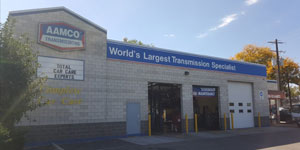
3401 W. State St.
Boise, ID 83703
Hours: Mon-Fri, 7:30am - 5:00pm
AAMCO Boise - Fairview Ave

8486 Fairview Ave.
Boise, ID 83704Hours: Mon-Fri, 8:00am - 5:00pm
AAMCO Nampa
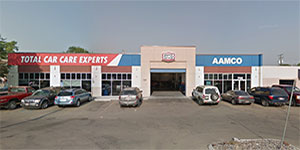
705 12th Avenue Rd.
Nampa, ID 83686Hours: Mon-Fri, 8:00am - 5:00pm