
The last thing you want while cruising down the road is to lose confidence in your car’s brakes. Sometimes, brake repairs sneak up on you or happen suddenly as a result of overuse but that doesn’t mean there aren’t signs you can look out for to catch brake problems as early as possible.
You can use all of your senses to detect a looming brake repair, from feeling how your car reacts to listening while you brake. Here are a few indicators to look out for.
Related: My Car Rolls When I Park
Related: Why Do I Need New Brakes?
Related: Services & Maintenance Best Left For The Professionals
A Soft or Spongy Brake Pedal
When you press your brake pedal, it should feel firm underfoot. If your brake pedal feels soft, spongy, or has to be depressed all the way to the floor, it could indicate air or moisture in the brake system. Alternatively, it could indicate an issue with your master cylinder. Any of those potential problems can majorly impact how well you’re able to brake and should be immediately serviced.
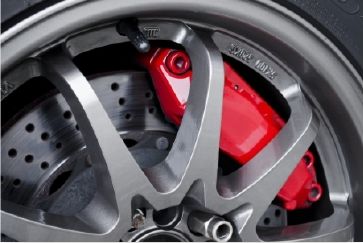
You May Need a Brake Fluid Flush
The most common cause of a spongy brake pedal is air in the brake lines. This is fixed by either flushing or changing the brake fluid. Flushing is also known as bleeding the brakes and pushes air out of the system using fluid. This can also help if there’s extra moisture that’s accumulated in your brake lines that may cause your brake fluid to boil.
Squeaking, Squealing or Grinding When Braking
Listen while you engage your brakes. If you hear squeaking, squealing, or grinding, you’re likely to have a problem with your brake pads, rotors, or calipers. Squeaking or squealing likely indicate your brake pads are getting too worn and your caliper is starting to rub against your rotor while braking. On the other hand, if you hear grinding, you’ve waited too long to get your brake pads replaced and now you risk causing more damage to your rotors and calipers, plus extra difficulty stopping your car.
A Visual Check Can Show Whether Your Brake Pads Are Over-Worn
If you suspect this is your problem, you can easily check your brake pads and rotors yourself. A general rule of thumb for brake pad thickness is to get them replaced once they reach 3mm or less in thickness. Too much past this risk decreased ability to effectively brake and increased damage to other parts of your brake system.
Vibrating or Shaking in the Steering Wheel When Braking
Notice your steering wheel or brake pedal vibrating or pulsing while you engage the brakes? This could be an indicator that the surface of your rotors is uneven. If one part of your disk brake’s rotor is thinner than another, the brake pads will encounter an uneven surface when applied. This will not only cause you to feel a pulsation when braking but also lowers the effectiveness of your brakes.

A Burning Smell While Using the Brakes
The last thing you want to notice while driving your car is a burning smell. If you notice a burning smell while engaging your brakes, it could be a sign that your brakes have overheated. You should pull over and stop your car as soon as possible to find a potential cause. Otherwise, you risk potentially boiling your brake fluid, which can cause brake failure.
Look for Smoke from One of Your Wheels
If your brake pads or parking brake are to blame, you can typically drive away again once they have fully cooled down. However, if you see smoke coming from one of your wheels, that’s an indicator that you have a stuck brake caliper. If this is the case, it’s not a good idea to keep driving and you should instead get your car to a trusted mechanic for brake repairs.
Your Brake Light Comes On
Seeing your brake light illuminated on your dashboard could mean a couple of different things. One, you may be due for regular brake servicing. Two, your car may have detected that you have a problem somewhere in your brake system that hasn’t shown enough outward signs yet for you to notice. Either way, it’s time to schedule an appointment.

Call AAMCO Boise for Any Brake Service
No matter what problems you’re noticing with your car’s brakes, the mechanics at AAMCO Boise have you covered. We’ll accurately diagnose and repair any problems you have with your car and if you can’t drive your car to us, we also offer free towing to the nearest location.
Everything You Need to Know About Your Timing Belt
Ever heard the saying, “Timing is everything?” Well, timing is essential in every aspect of our lives, from cooking, music, making good jokes, and as you will soon find out – your engine! Your car engine relies on a timing belt to stay in sync. The car timing belt...
read more
What To Do If Your Car Overheats
When outside temperature sours during the warm summer months, the temperatures under your hood in your car’s engine can rise to 200 degrees, with that kind of heat, your engine needs to remain cool. Most modern vehicles are so refined that it can be very difficult to...
read more
Keeping Your Transmission Healthy – Top Tips
If you are like most car owners, taking good care of your vehicle is a priority. Once in a while, you will have your tires rotated, change your oil and oil filter every 3,000 to 5,000 miles. Caring for the transmission isn’t something most vehicle owners give a lot of...
read moreOur Boise Auto Repair & Transmission Repair Locations
AAMCO Boise - West State St
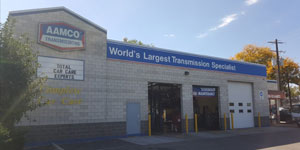
3401 W. State St.
Boise, ID 83703
Hours: Mon-Fri, 7:30am - 5:00pm
AAMCO Boise - Fairview Ave

8486 Fairview Ave.
Boise, ID 83704Hours: Mon-Fri, 8:00am - 5:00pm
AAMCO Nampa
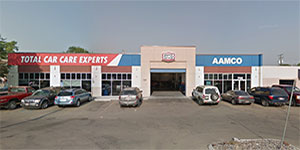
705 12th Avenue Rd.
Nampa, ID 83686Hours: Mon-Fri, 8:00am - 5:00pm